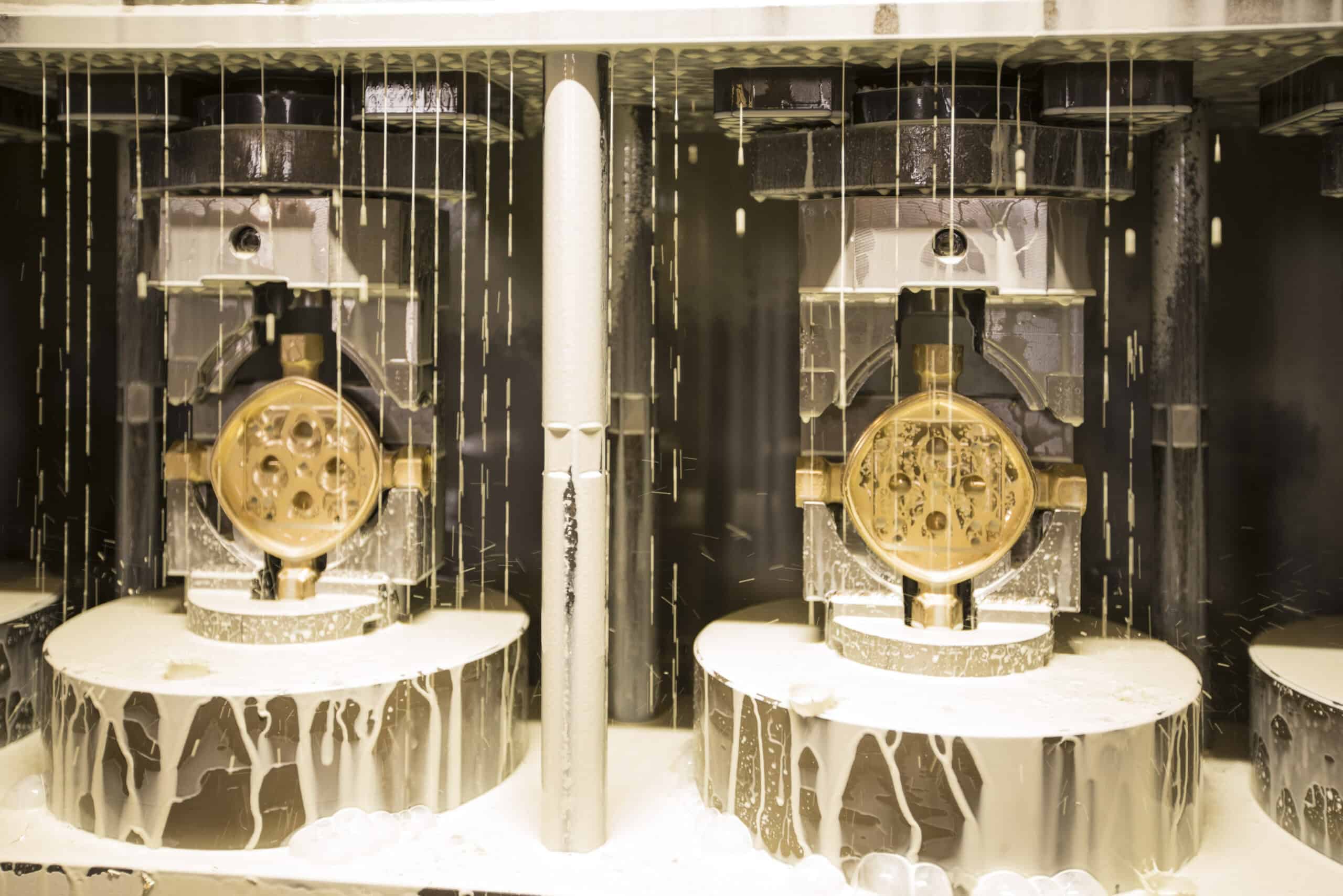


The sanitary industry is rapidly moving toward safer and more sustainable materials, and lead-free brass plays a key role in this shift. For buyers and engineers sourcing components for drinking water systems, regulatory compliance and mechanical reliability are becoming increasingly interconnected.
In this blog, you will learn why lead-free brass is becoming increasingly essential, how hot forging supports its use, and what procurement professionals should look for when specifying sanitary brass components.
Traditional brass alloys containing lead can leach small amounts of lead into drinking water over time. With stricter EU legislation and increasingly stringent certification requirements from organizations such as DVGW, WRAS, and KIWA, permissible lead levels are being further restricted. The revised European Drinking Water Directive will lower the limit value for lead in drinking water from 10 µg/L to 5 µg/L after the transition period ends in 2036.
For procurement professionals, this means that “lead-free” is no longer simply an option; it is rapidly becoming the new industry standard. As a result, demand for lead-free specifications is visibly increasing across the market.
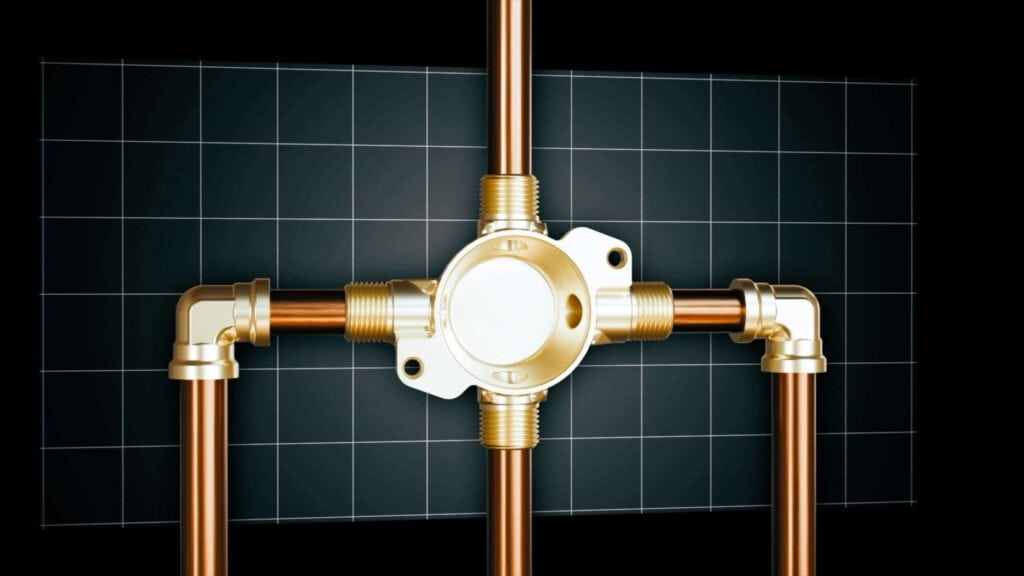
Buyers selecting brass for drinking water applications must ensure that the chosen alloy meets both legal and technical requirements.
CW724R, also known by the trade name Ecobrass®, is one of the most widely used lead-free alloys. It is known for its excellent corrosion resistance and high strength, making it particularly suitable for hot forged sanitary components.
CW510L, a silicon-based alloy, is another relevant alternative offering good formability and cost efficiency. It is particularly suitable for applications where cold forming is of lesser importance.
Each alloy has its own machining characteristics. Because lead-free alloys lack the lubricating effect of lead, optimized tools are often required to achieve a high-quality surface finish and tight tolerances.
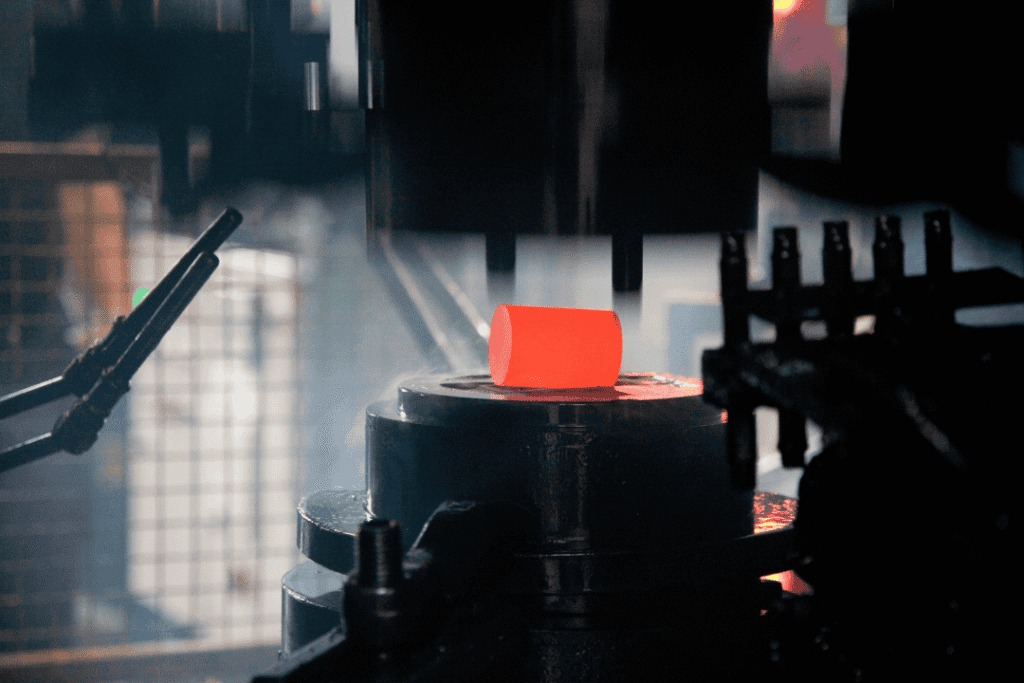
Lead-free brass alloys behave differently during forming than conventional brass containing lead. This makes the choice of production process all the more important, and hot forging offers clear advantages in this regard.
During the hot forging process, a favorable grain flow structure is created with fewer internal discontinuities than cast components. This results in high mechanical strength and excellent resistance to stress corrosion cracking—properties that are essential in sanitary applications operating under pressure or requiring leak-tight seals.
Hot forged components also provide a smoother surface and tighter tolerances, making them highly suitable for secondary operations. In addition, hot forging often reduces the need for extensive machining, which is a significant advantage when working with harder, less machinable alloys.
Precision, strength, and surface quality are critical requirements for sanitary components. Hot forged brass parts offer the dimensional stability needed for reliable performance under pressure while reducing the risk of leaks, customer complaints, and warranty claims.
For procurement professionals, partnering with a hot forging specialist experienced in WRAS-approved sanitary components means gaining access to consistent quality, regularly compliance, and long-term reliability—especially in applications where aesthetics and technical perfection must go hand in hand.
For sanitary manufacturers, the transition to lead-free brass is both a regulatory necessity
and an opportunity to enhance product quality. When combined with hot forging, lead-free alloys deliver the mechanical strength, surface finish, and consistency that modern sanitary systems demand, from functional behind-the-wall components to visible, chrome-plated design elements.
At Allbrass, we manufacture precision components from certified lead-free brass alloys for leading OEMs in the sanitary industry. Our hot forging and machining expertise, quality assurance process, and long-standing customer relationships help procurement professionals reduce the total cost of ownership while staying ahead of evolving compliance requirements.
Looking for high-quality, lead-free brass components?
Our specialists are happy to advise you on alloy selection, tolerances, and the most suitable hot forging and machining solutions for your application.


