

In the sanitary industry, sustainability is no longer an option but a necessity. Purchasing decisions are increasingly driven by life cycle assessments, material traceability, and CO₂ reduction targets. For manufacturers of high-quality components such as (exposed) faucets, valve parts, and concealed fittings, hot forging offers clear sustainability advantages over production methods that generate greater material waste.
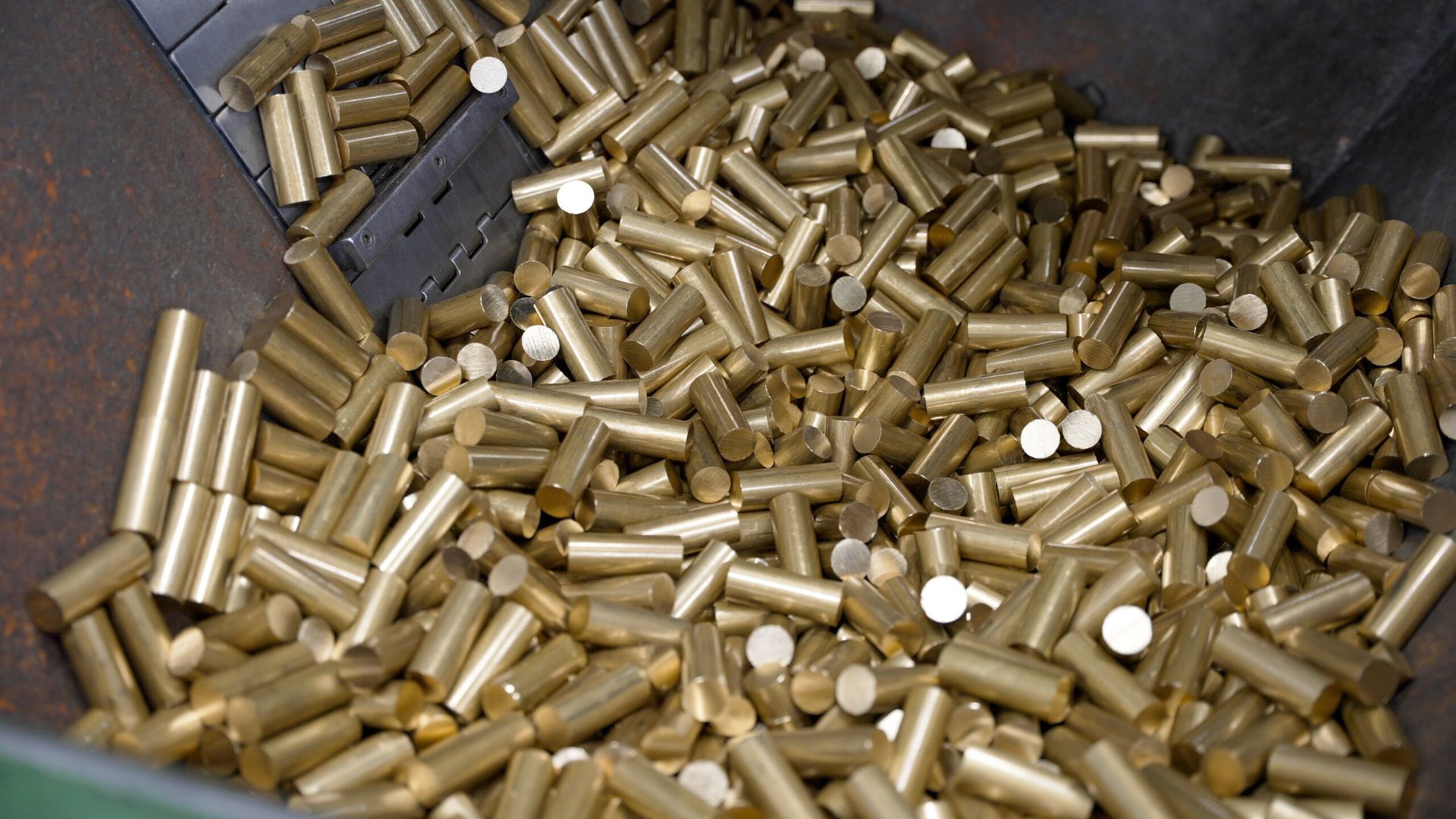
Hot forging enables highly efficient use of recycled brass. Unlike casting or machining from bar stock, hot forging uses billets made from high-quality recycled brass alloys that provide the same performance as virgin material.
At Allbrass, processes are designed to maximize circularity by immediately reintroducing brass scrap and burrs into billet production. In addition to internal recycling, all chips and metal residues generated during secondary machining operations are collected and returned to the raw material supplier. These materials are reprocessed and fed back into the supply chain, resulting in a fully circular material flow.
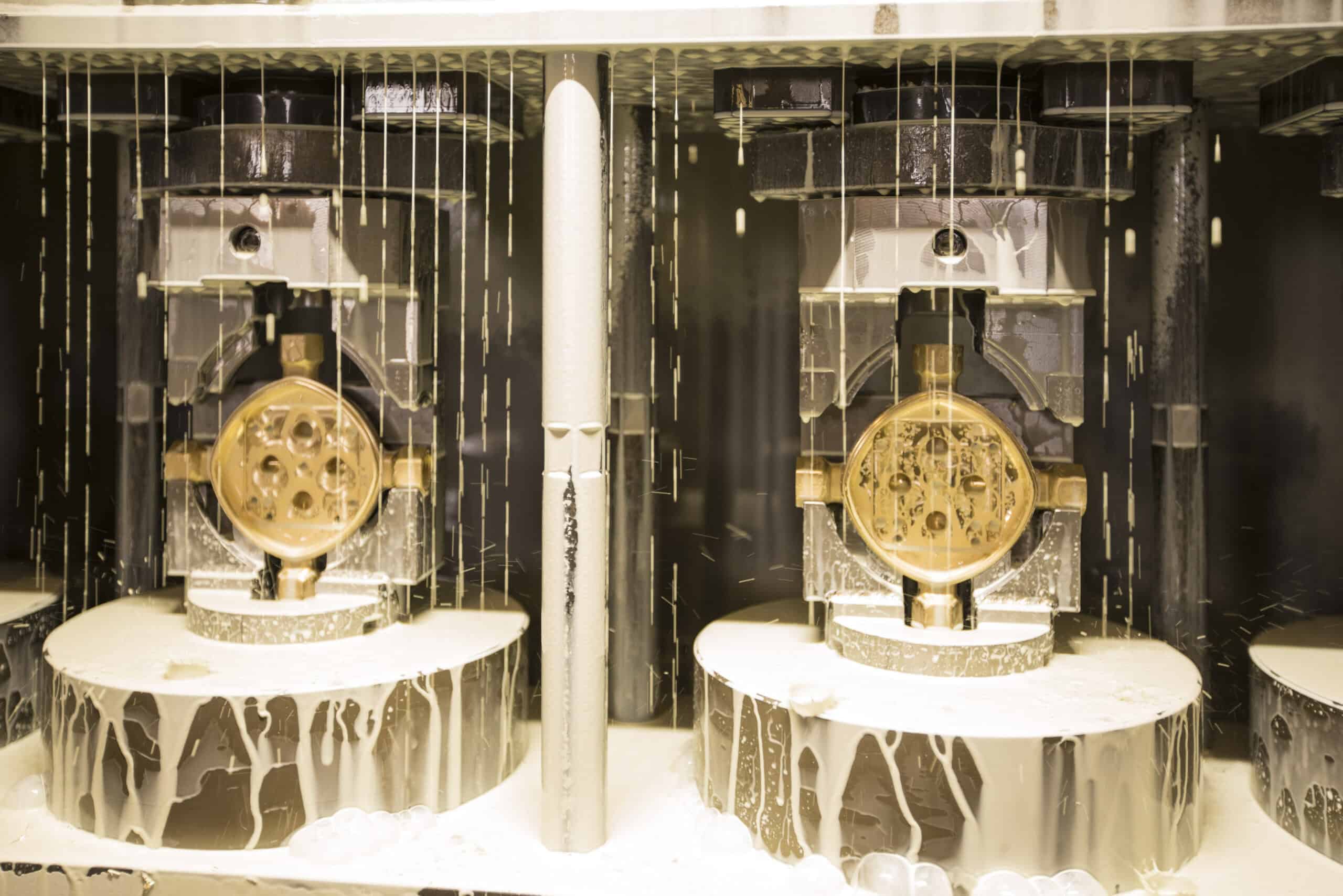
Furthermore, part of the brass chips is reused as blasting media for cleaning components within our own production process. As a result, these residual streams contribute not only to material reduction but also to a cleaner and more efficient manufacturing process without the need for additional external raw materials.
This comprehensive approach supports the circular economy and meets the requirements of organizations committed to sustainable procurement.
As a result, the sanitary components have a lower environmental impact while meeting stringent standards for mechanical strength and corrosion resistance.
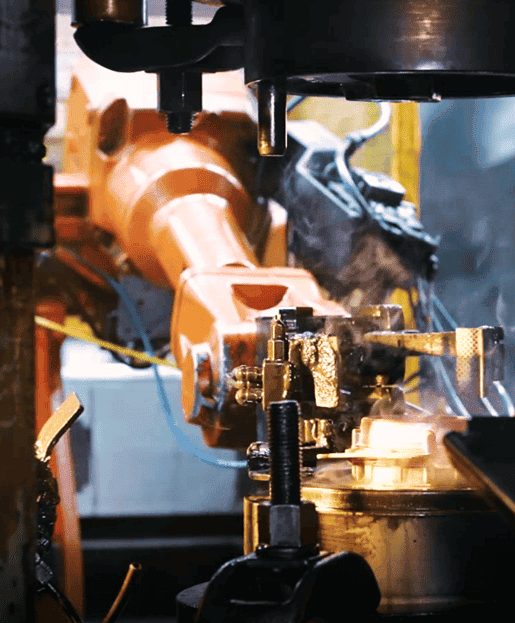
Hot forging requires thermal input to accurately shape brass components. However, modern production lines have become significantly more efficient. Allbrass uses high-frequency induction heating with precise temperature control to minimize energy consumption per component. Compared to casting or extensive machining, hot forging achieves a near-net shape in a single operation, requiring less energy and processing time.
In addition, no extra melting or remelting phase is required, resulting in substantial energy savings and lower CO₂ emissions per kilogram of processed brass. At a time of rising energy costs and increasing carbon taxes, hot forging is not only a technical choice but also a strategic solution for sustainable manufacturing.
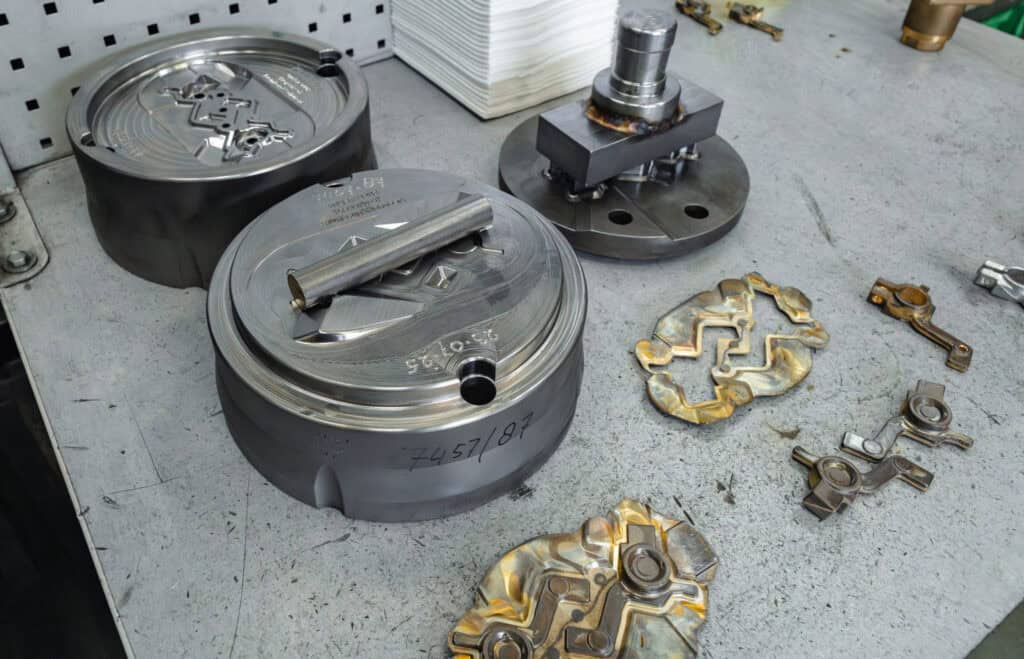
Compared to casting, hot forging generates less waste, requires fewer chemical processes, and avoids the environmental impact associated with foundries. Compared to machining extruded profiles, hot forging can prevent up to 60% material loss by forming components directly into the desired geometry. In addition, hot forging contributes to more efficient logistics through reduced volume, fewer processing steps, and fewer transportation movements. For suppliers in the sanitary market, this results in more sustainable supply chains without compromising strength or surface quality.
Hot forging is more than a manufacturing technique; it is a key strategy for sustainable production. Through the use of recycled brass, reduced material waste, optimized energy consumption, and the reuse of brass chips in the blasting process, hot forged components deliver both environmental and economic value.
For OEMs and suppliers seeking to reduce their environmental footprint, hot forging offers an efficient production method with opportunities for circular material use and high material yield. Allbrass continues to invest in innovations within the hot forging process to support customers in achieving their sustainability goals.