Our core competitions

engineering-developing-designing-hot-press-products

Engineering

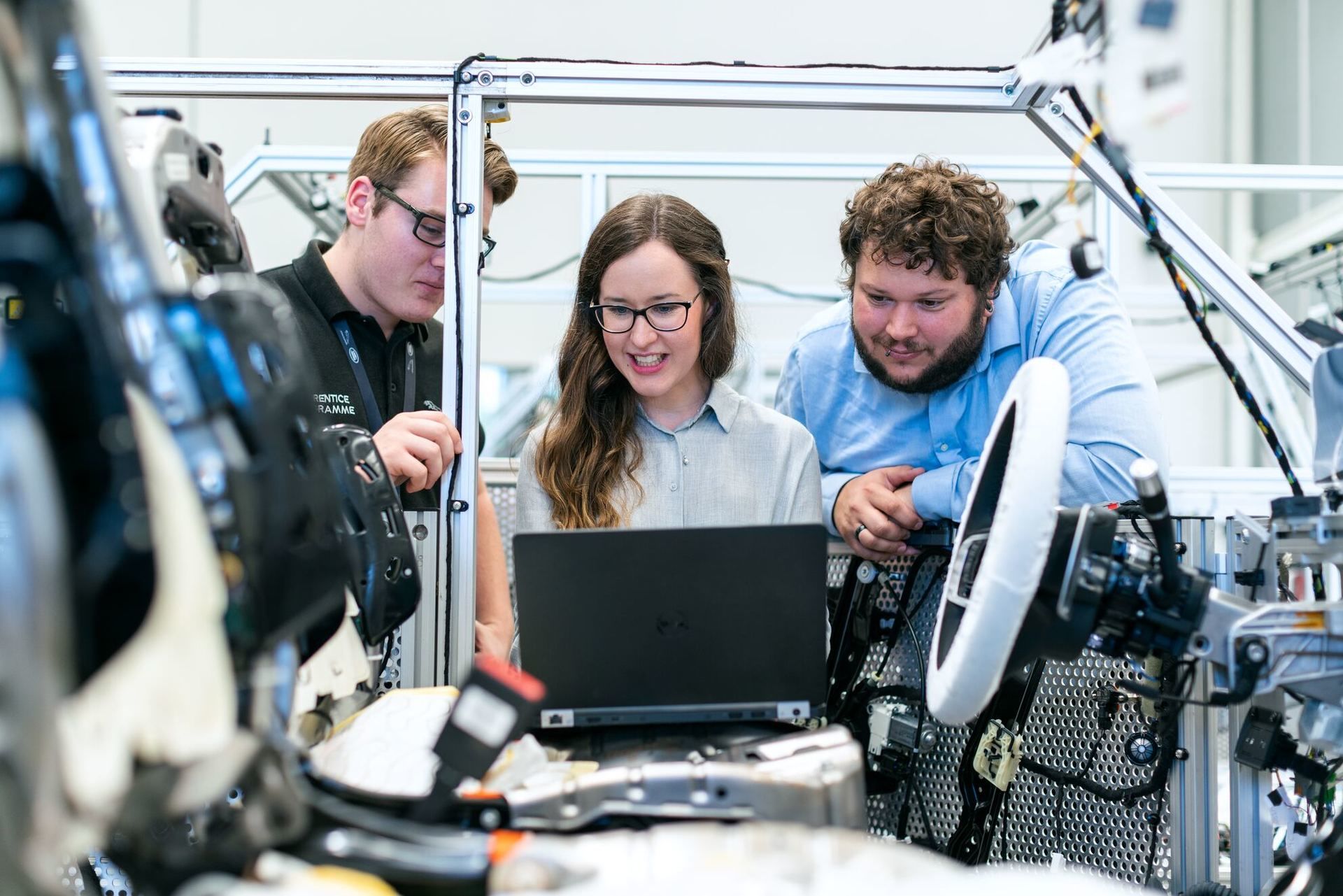
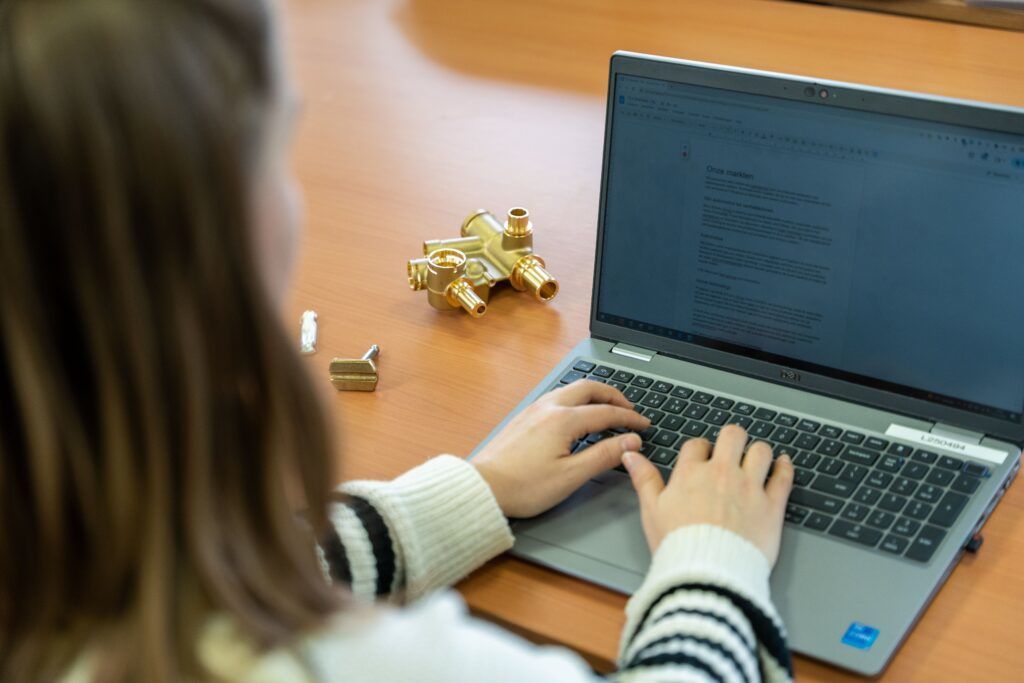
At Allbrass our team of trained engineers work closely with our clients to develop and design optimally feasible hot forged products. With our expertise in hot forging technology, we ensure that our clients receive the highest quality products.

Kerncompetenties Materiaal

Materials

To ensure the quality of our products and processes, we only use raw materials from reputable, certified suppliers.

pressing-competences-hot-forging

Hot forging

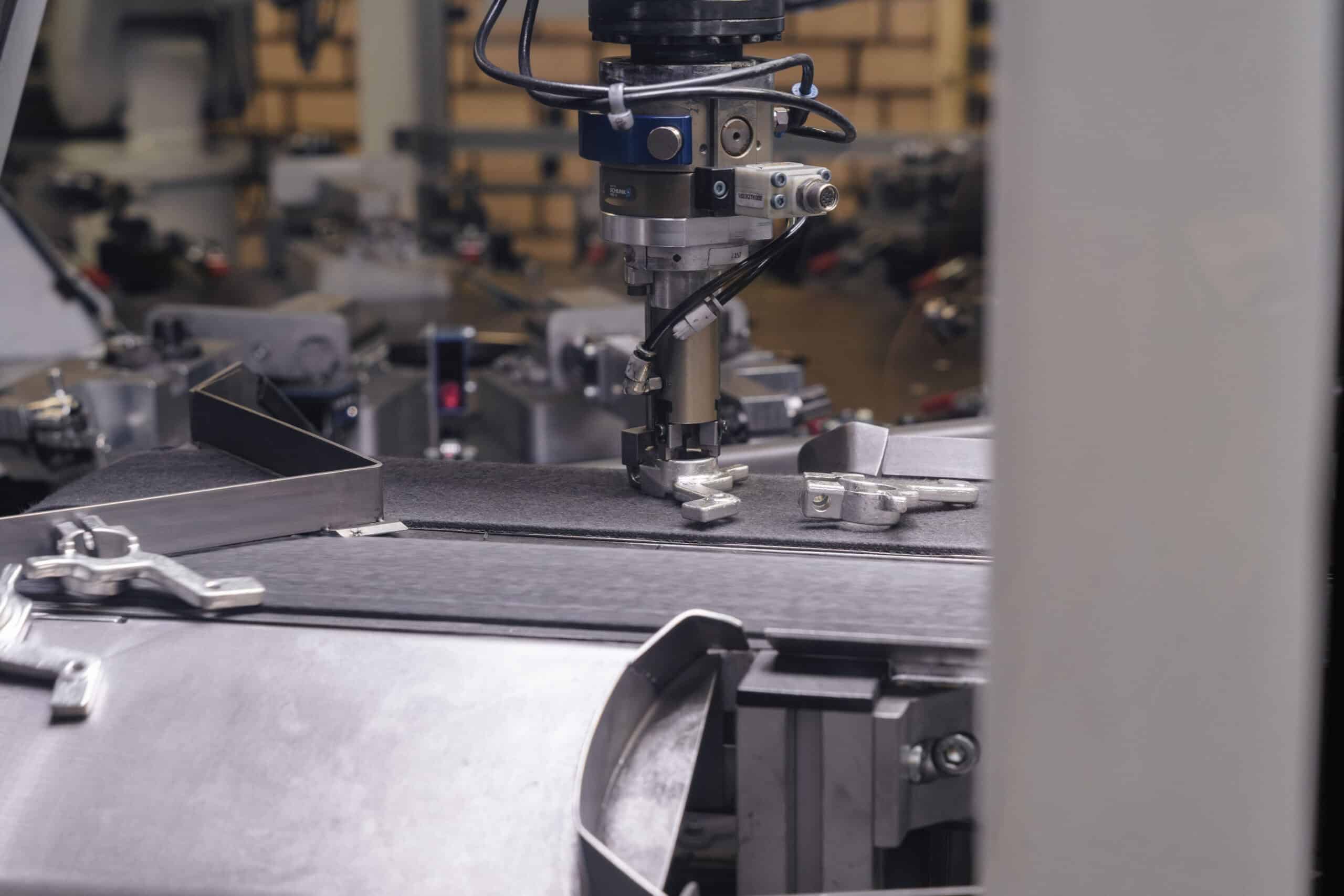
Allbrass is equipped with modern, fully automated hot forging facilities, ensuring efficient and precise manufacturing of our products.

Open Dag Allbrass 98

Machining

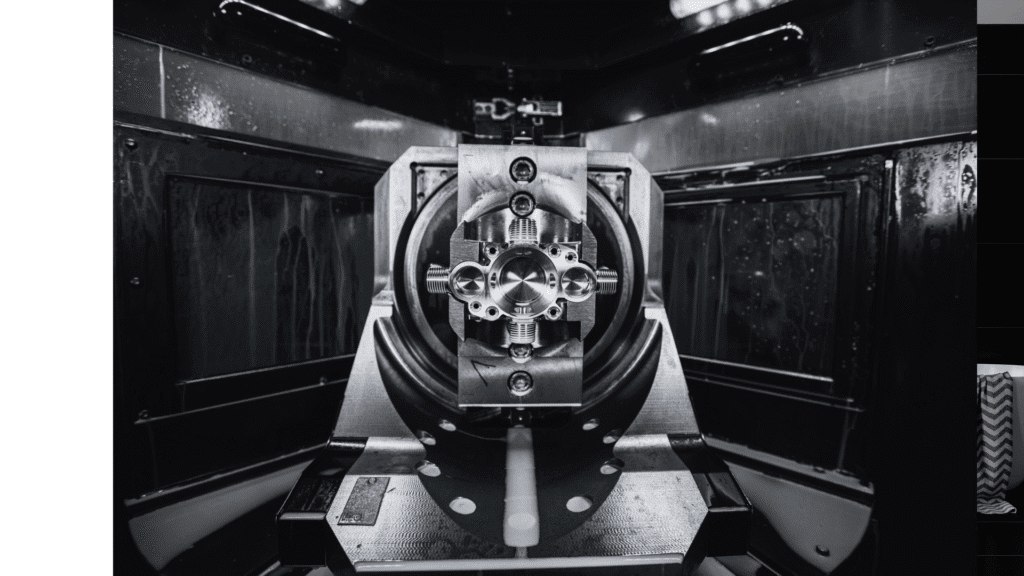
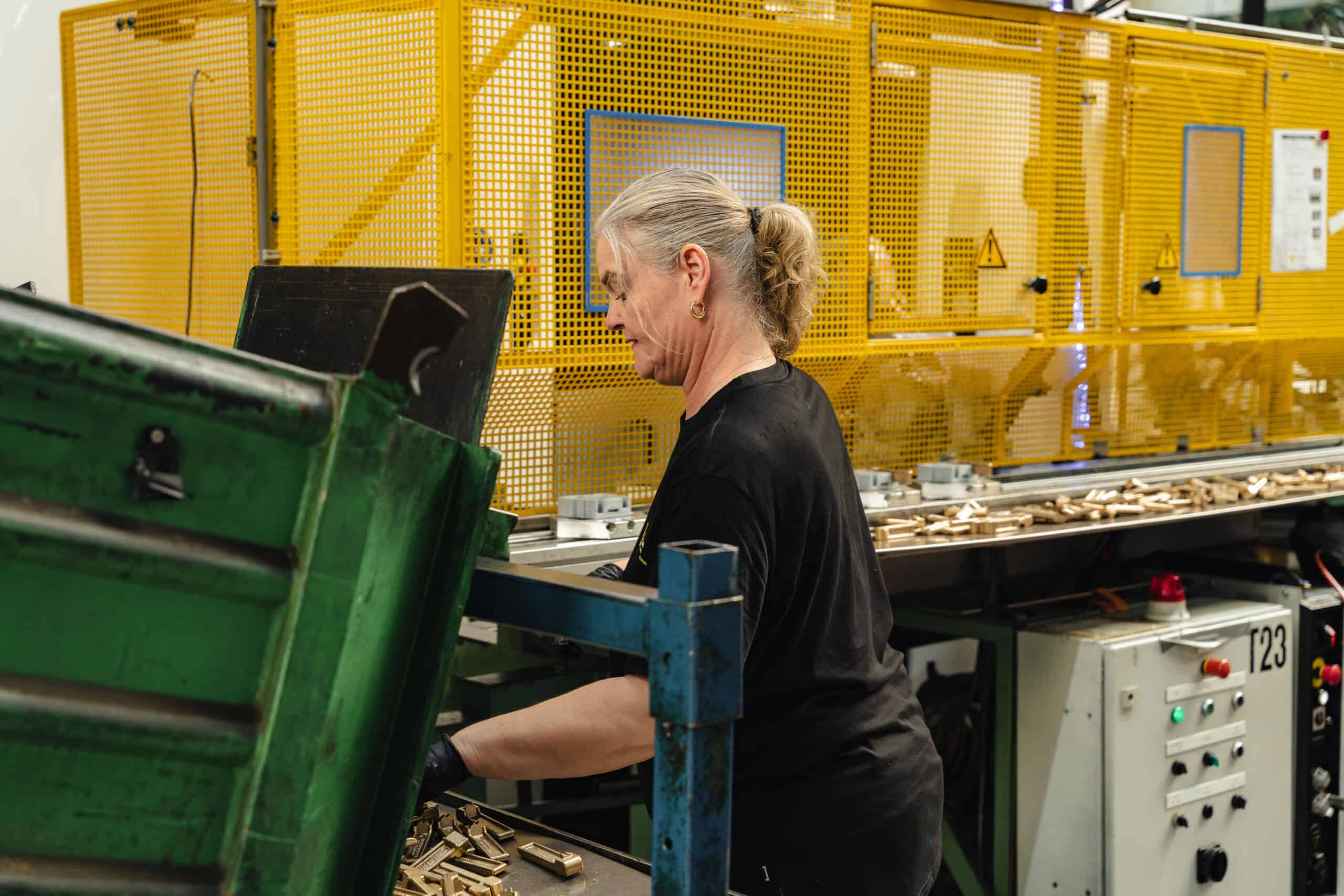
The hot forged parts are machined to their final form using fully automated, CNC-controlled processes, ensuring that they are ready to be used for their intended purpose.

Open Dag Allbrass 50

Assembly

By incorporating assembly and increasing its presence in our production process, we improve efficiency and also provide added value to our customers.

Preparation

Raw materials: The process begins with the selection of suitable raw materials. The raw materials come in unprocessed. They are then cut into pieces depending on the size of the forging product.

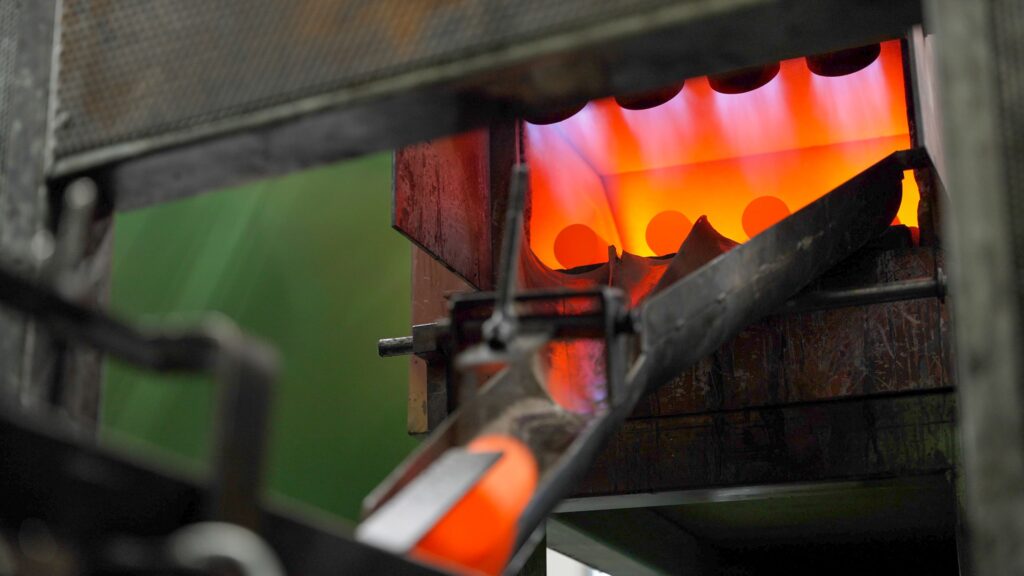
Preheating: The raw materials are preheated to a temperature suitable for hot forging. This helps to make the materials deformable and reduce internal stresses, allowing them to be easily formed during the hot forging process. This temperature varies from 700 to 800 °C.


Verhitten Billets + 1 Valt

Placement & Cooling

Die preparation: While the raw materials are preheated, the forging dies are also prepared. These dies define the shape of the final product and are often made of hardened steel to withstand the high temperatures and pressures during forging. All dies are designed by our engineers and produced by our tool shop. During the design phase, our engineers have already ensured that the die has an optimal lifetime, that waste is kept to a minimum and that machining can take place efficiently.

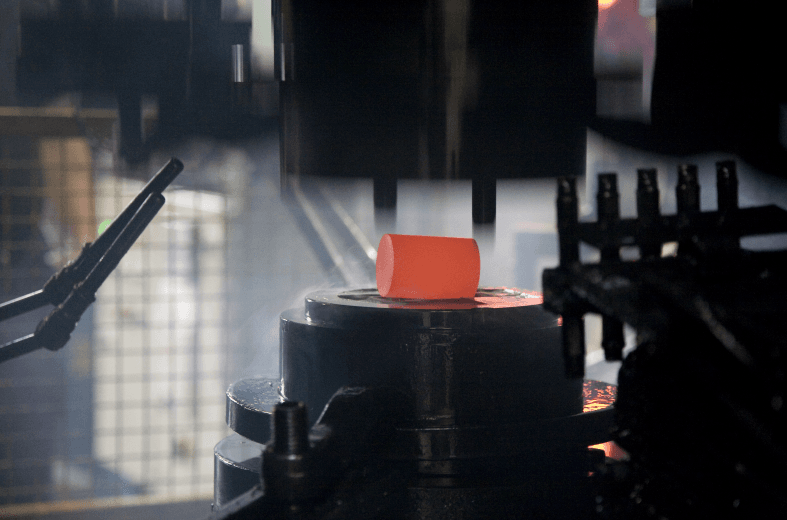
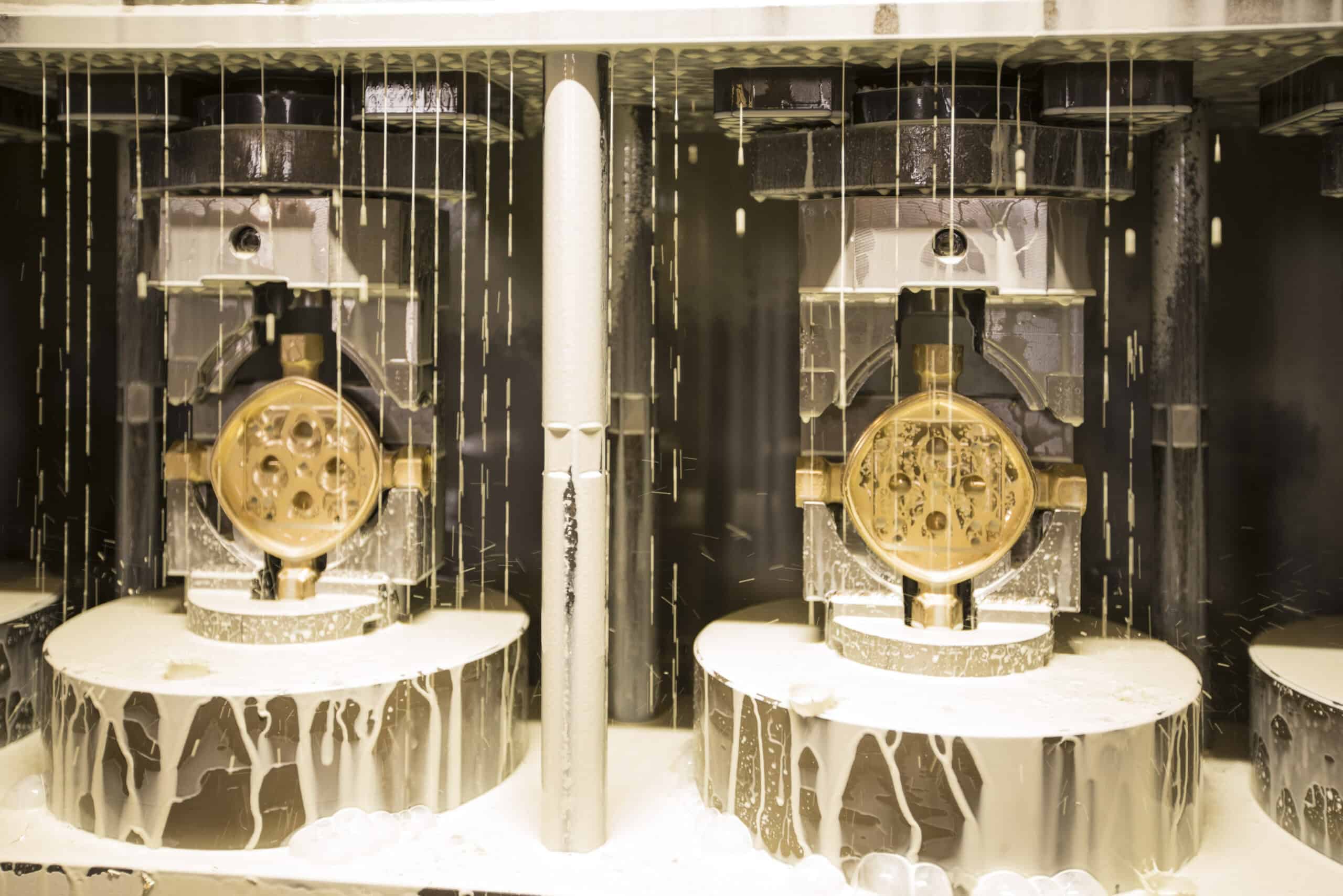
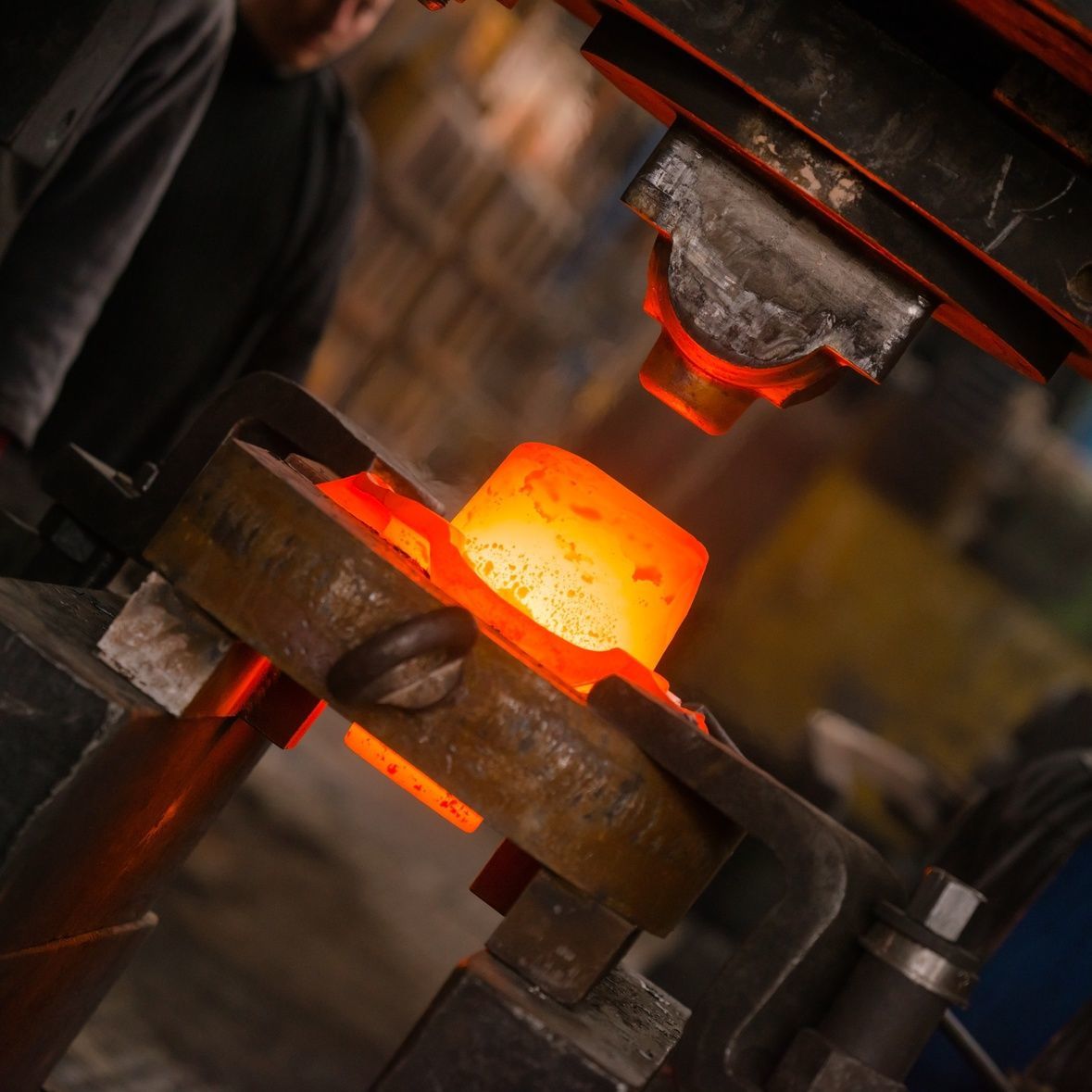
Material placement & forging process: The dies are lubricated and temperatures are checked. The preheated materials are placed between the halves of the forging die in the press. Then the forging press is activated, applying tremendous pressure to the raw materials between the die halves. Under this high pressure, the raw materials are deformed and shaped to the contours of the die in no time. The hot forging speed varies by product, on average between 2 and 4 seconds.

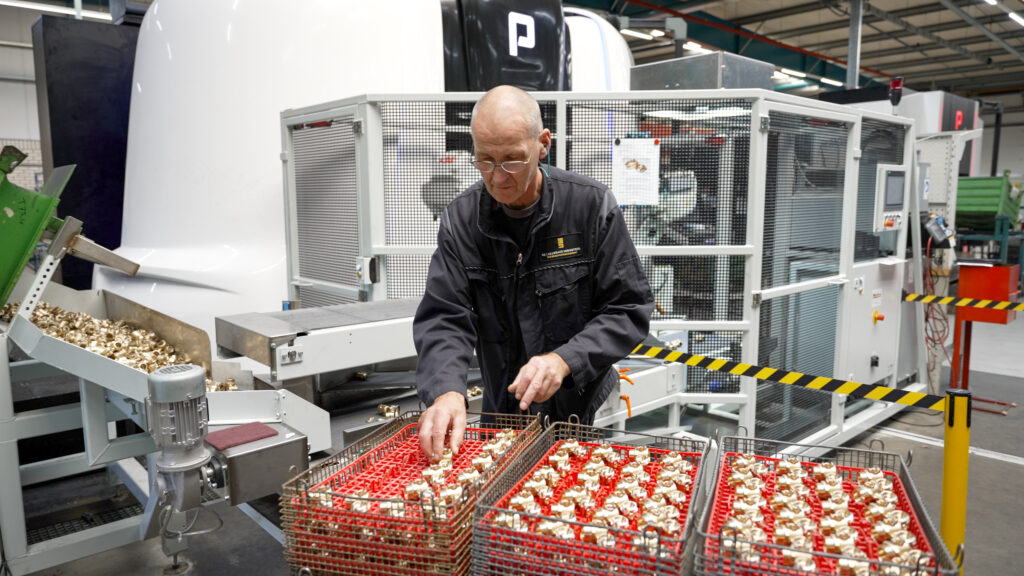
Cooling: After hot forging, the forged parts are cooled on the cooling belt, to what extent the part must be cooled varies per product. This can be done by air or water cooling, depending on the material and requirements of the part.

Matrijs Voorbereiding

Treatment

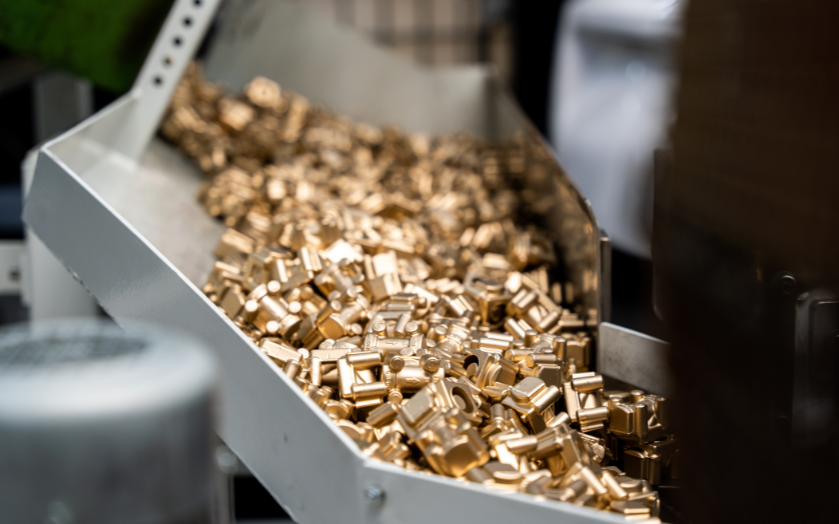
Surface treatment: After forging, 99% of the pressed products undergo a surface treatment. The surface of the press part is treated by blasting or ball polishing.

Blasting: Is a surface treatment in which the surface of the forged part is treated in a blasting machine using brass sawdust. This changes the colour of the surface of the forged piece as well as degreasing it.

Ball polishing: Is a surface treatment in which the surface of the forged piece is treated in a machine filled with R.V.S. Bullets and R.V.S. Satellites. This degreases the forged part and gives it a shiny surface.

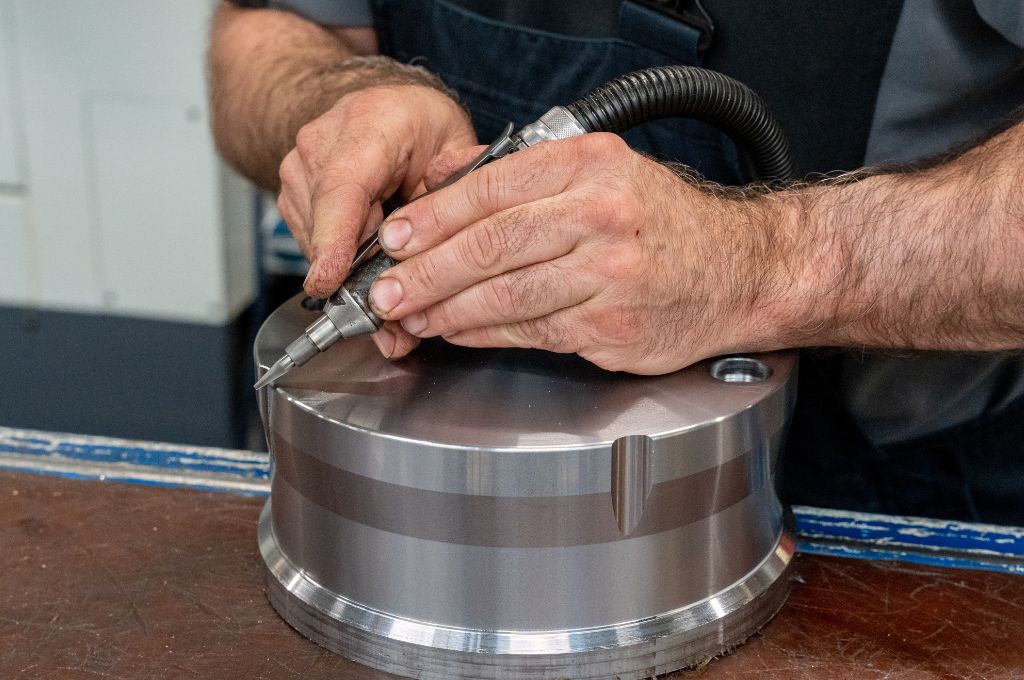
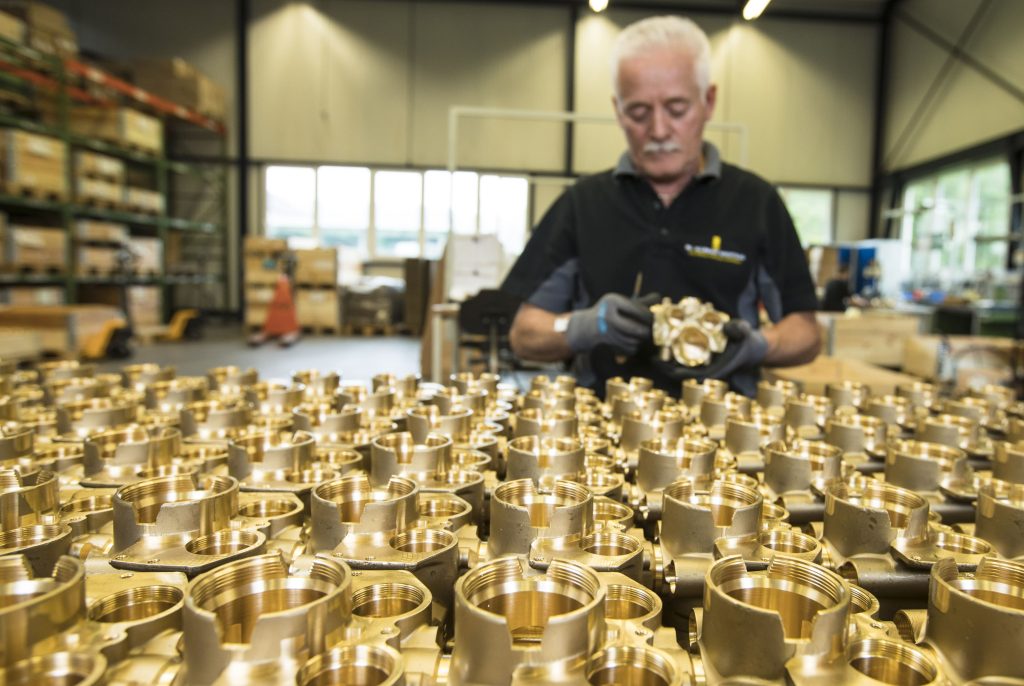
Machining of the forged parts: The forged parts are machined as required by the customer. Machining is the processing of the forged parts using machine tools. During machining, chips (small pieces of material) are removed from the forged part. Machining changes the size of the forged part.

Be Werk Voehrenbach 4069

Quality

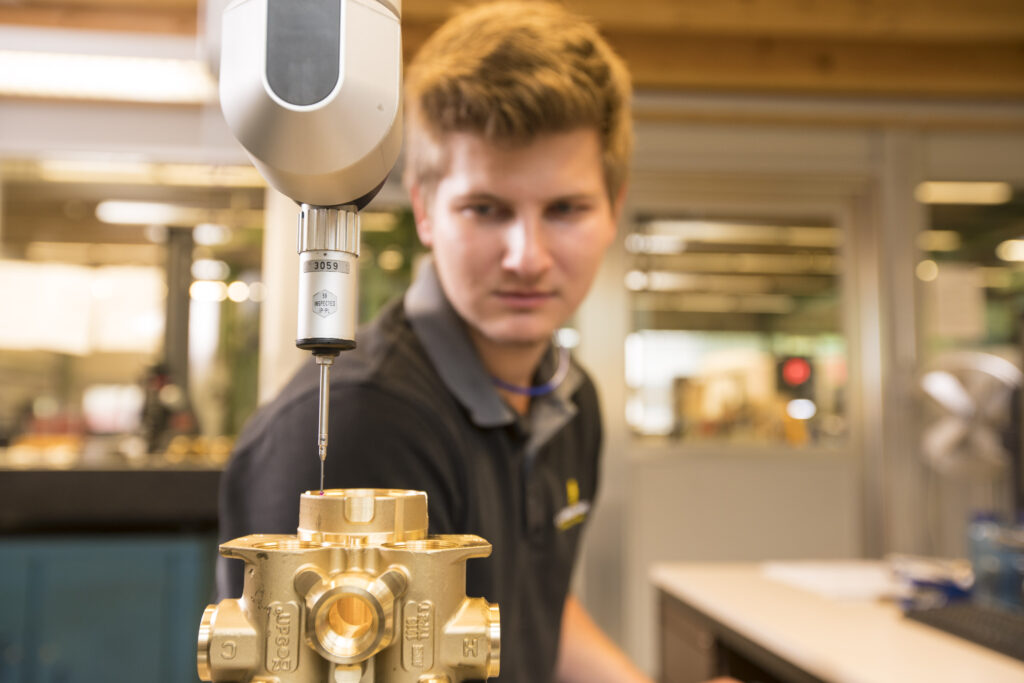
Inspection and quality control: During and after the hot forging and machining process, parts are regularly inspected for surface quality and any imperfections, and dimensional accuracy is checked. This helps to ensure that the parts produced meet the required specifications and quality standards. To start production, there is a mandatory release. During production, there is another inspection measurement every hour. Through these inspections and quality controls, quality is maintained and we always ensure a perfect service level.

Lead-free hot forging: We also forge and machine lead-free material. Lead-free parts offer a range of health, environmental, legal compliance and sustainability benefits, among others. Read more here.

working-at-bons-evers-application

Specifications & bandwidths

Specifications


Hot forging is based on two techniques: hollow hot forging and full hot forging. The choice between the two techniques depends on the product design. In both cases, an attractive homogeneous material structure is created during the hot forging process. Subsequently, deburring is performed fully automatically.

Band widths:

  • Product weight: 20 grams to 6,000 gram
  • Batch size: 250 to 250,000 pieces

Contact us

Specificaties & Bandbreedtes
We like to keep you up to date

Receive our latest news!

This field is for validation purposes and should be left unchanged.

blogs-newsletter-bons-evers